Know what is available
Connect purchases, production, quality holds and outlet returns. Give planners a stock position they can reconcile before adding forecasts or replenishment suggestions.
From ingredient intake to the last delivery, small gaps between systems create daily work. NextEdge Labs develops products, integrations and AI-assisted workflows around those gaps.
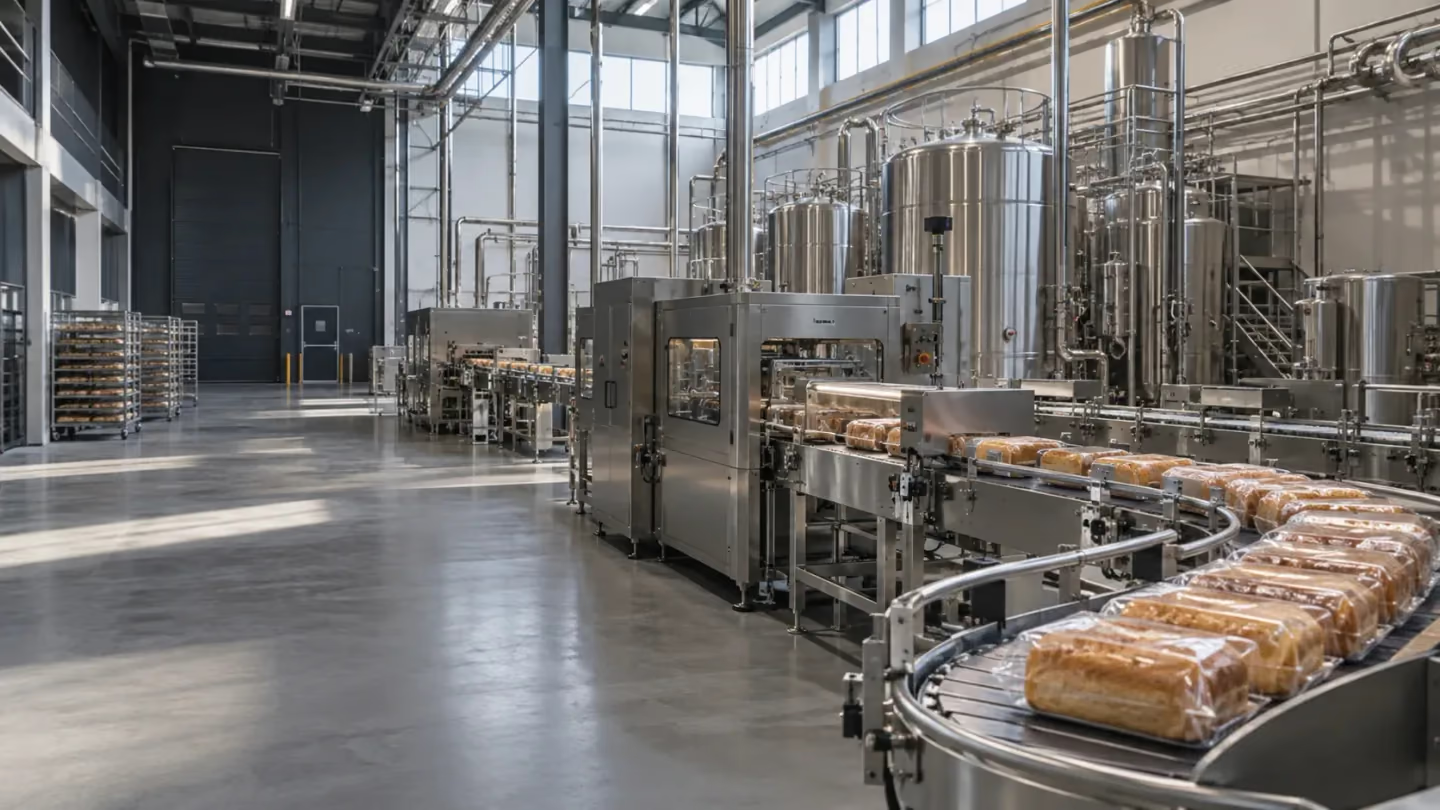
We explore the needs of bakeries, dairy processors, beverage producers, packaged-food manufacturers, restaurants, QSRs, cloud and central kitchens, fresh-produce businesses, meat and seafood processors, and cold-chain distributors.
A short shelf life, a variable yield or a rejected delivery changes what the software must record. The right scope starts with those details.
Understand the industry challengesConnect purchases, production, quality holds and outlet returns. Give planners a stock position they can reconcile before adding forecasts or replenishment suggestions.
Build the workflows your ERP, POS and warehouse systems do not cover. Keep dispatch, receipt and exceptions connected, with clear ownership of each transaction.
Evaluate document extraction, demand forecasting or exception triage against your current process. Retain human review where an uncertain result could affect a business decision.

Compare the operational challenges of food manufacturing, restaurants and distribution, and decide which software problem deserves attention first.

Connect bakery recipes, production and outlet returns. Use a worked stock example to evaluate inventory software and replenishment decisions.

Evaluate dairy processing software across intake, tank transfers, batch records, quality release and dispatch, including a practical traceability drill.

Plan beverage formulations, packaging and line capacity together. A practical guide to manufacturing software, changeovers and production reconciliation.

Evaluate food manufacturing ERP with a batch-traceability demonstration covering substitutions, splits, rework, quality holds and corrected transactions.

Work through a restaurant ingredient variance and learn how shared units, POS mappings, counts and transfers make multi-outlet inventory usable.

Plan cloud and central kitchen software around order changes, shared capacity, production allocation and handovers, beyond billing alone.

Manage fresh produce by lot, grade, condition and customer specification. Follow a worked repacking example and evaluate inventory and traceability together.

Evaluate meat and seafood traceability software for variable weights, split lots, processing yields, restricted stock and forward-and-backward tracing.

Connect cold-chain monitoring devices to shipments, product records and response workflows, including missing data, route changes and delivery disputes.

How to allocate food inventory using FEFO while checking customer shelf life at delivery, reservations, quality status and transit time.

Build an actionable food expiry risk report using lot quantities, eligible demand, delivery dates and agreed stock actions.

Balance food inventory buffers with shelf life, supplier lead-time variation, order multiples and realistic demand before increasing stock.

Design food warehouse cycle counts around lot, location, unit and movement cutoffs, with investigation before stock adjustments.

Investigate negative food inventory through transaction timing, production consumption, units and corrections before posting adjustments.

Control food purchasing and inventory unit conversions across cases, pieces and kilograms, including supplier pack changes and partial packs.

Track carton counts and actual kilograms together for seafood and meat, including partial picks, weight differences and invoice reconciliation.

Control packaging inventory by approved artwork revision, product and pack format so obsolete labels cannot satisfy production demand.

Separate ownership, custody and availability for food co-packing inventory, with material reconciliation and clear consumption records.

Reconcile central kitchen dispatches, in-transit inventory and outlet receipts without hiding shortages in automatic stock transfers.

Separate physical food returns, quality disposition and customer credits while preserving original shipment and lot references.

Design offline food inventory scanning with transaction IDs, visible sync status, duplicate prevention and controlled conflict handling.

Build a kitchen inventory sheet with clear units, movement records, count cutoffs and a worked variance example before deciding what to automate.

Use annual consumption value for ABC inventory analysis, then add shelf life, production criticality and supply risk to set food-stock controls.
Explore AI engineering, product development and automation around your people, processes and existing systems.