A booked truck slot is not proof that the load is ready
For Logistics heads, warehouse leads and distribution managers · Plan implementation
TL;DR — what you’ll learn
- Separate the appointment from the load's actual readiness.
- Check dock, labour, equipment and approved product-handling constraints.
- Record arrival, waiting, loading and departure as distinct events.
- Replan visibly when a carrier or load misses the agreed sequence.
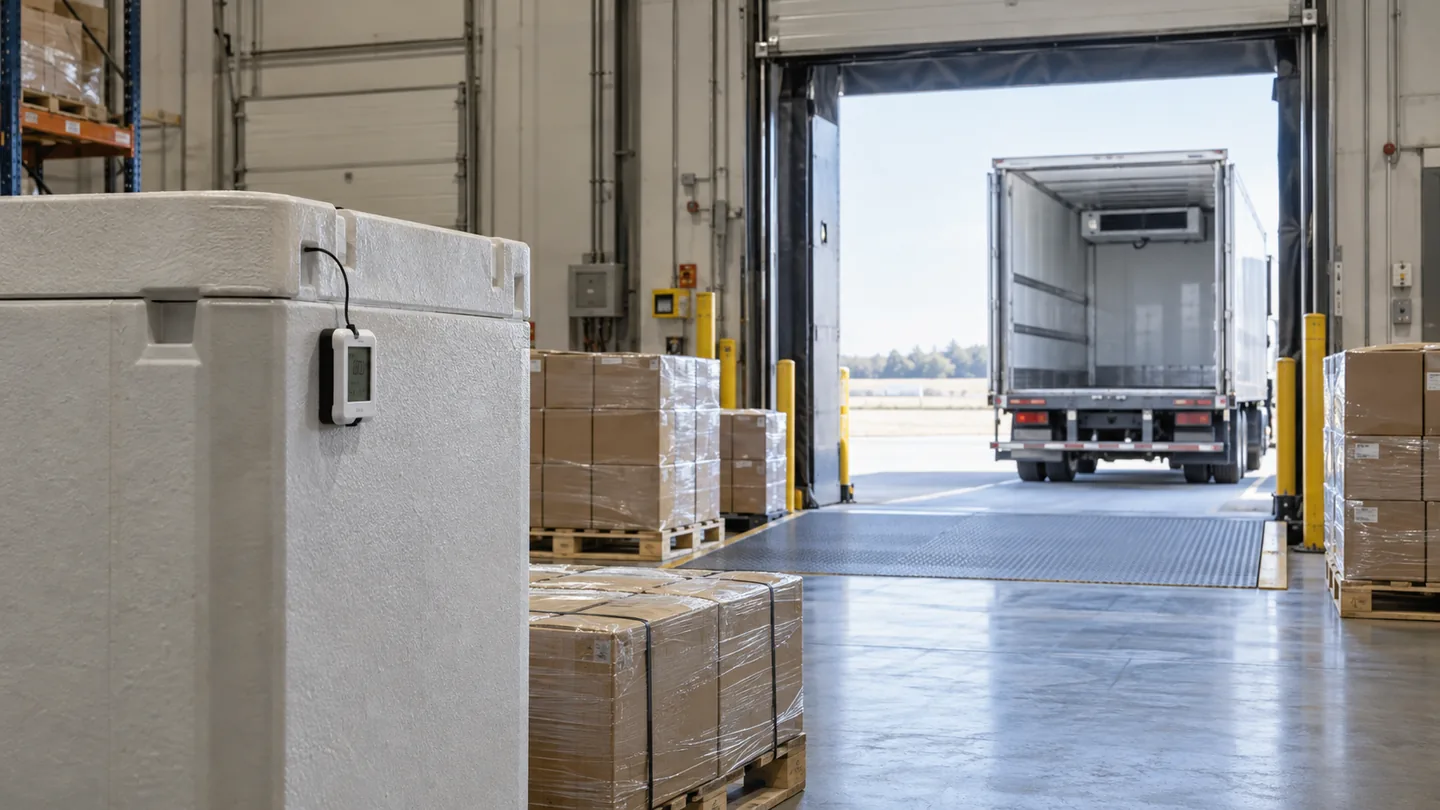
Three trucks arrive on time. One load is still awaiting quality release, another is only half picked and the third needs the dock occupied by a delayed vehicle. The appointment calendar looks orderly while the yard becomes a queue. Scheduling alone cannot solve a readiness problem it cannot see.
How should food businesses coordinate dispatch slots and loading readiness?
Dispatch slot management should coordinate carrier appointments with load readiness and the resources needed to load safely under the site's process. A slot is a planning commitment; readiness is an evidenced operating state. Keeping both visible helps the team explain queues and make controlled changes when the plan fails.
- 01Book the appointmentVehicle, load and dock need
- 02Check readinessStock, picking, documents and resources
- 03Review the live sequenceArrival and resource conflictsAre the load and resources ready?YesAuthorise loadingNoReplan visibly and assign the unresolved dependency.
- 04Authorise loadingRecord stage times and changes
Illustrative information flow. The article explains the evidence, exceptions and responsible decisions. Diagram: NextEdge Labs.
Define the load-readiness check
Identify the conditions the dispatch team needs before calling a vehicle to load: relevant stock status, completed picking, required documents, suitable dock and available handling resources. The exact conditions belong to the site's approved operation. Keep each condition visible rather than compressing them into an unexplained ready flag.
A load can be commercially confirmed while physical preparation is incomplete. The appointment should retain that distinction. If quality release is outstanding, the scheduler needs to see the dependency; it should not override the stock restriction to preserve the calendar.
Model the resources behind the slot
A dock may support only certain vehicle or handling arrangements. Labour, equipment and staging space can also constrain the number of simultaneous loads. Use observed loading durations by relevant load type as planning inputs, with room for the business's normal variability.
An illustrative plan with two docks and three thirty-minute appointments at 09:00 is already infeasible if each load needs an exclusive dock. Adding more appointments to the same calendar does not add capacity. The system should expose the conflict and identify which resource is overcommitted.
Frappe's Delivery Trip documentation illustrates the relationship between a vehicle, driver and delivery stops. A dispatch-slot workflow adds the local readiness and resource account around that trip. Keep the shipment, vehicle and appointment identifiers connected so later delays can be traced to the correct movement.
Source: Frappe / ERPNext · Vehicle, driver and delivery-stop relationships. Reference details
Record waiting in stages
Capture actual arrival, readiness, dock assignment, loading start, loading completion and departure where those events support the operating question. A single gate-in to gate-out duration combines several causes and can make the wrong team appear responsible for a delay.
For an illustrative visit, a truck arrives at 09:00, the load becomes ready at 09:20, loading starts at 09:35, finishes at 10:05 and the truck leaves at 10:15. The total seventy-five minutes includes twenty minutes before readiness, fifteen more before loading, thirty loading and ten after completion. Those intervals suggest different investigations.
| Interval | Minutes |
|---|---|
| Arrival to load readiness | 20 |
| Readiness to loading start | 15 |
| Loading | 30 |
| Loading complete to departure | 10 |
| Total visit | 75 |
Make changes explicit when the sequence breaks
A late vehicle, missing document or unready load may require a new sequence. Show the affected appointments and downstream delivery commitments before accepting the change. Keep the original slot and reason for revision so the performance report does not erase the disruption.
Define who can move a slot and which parties need the updated information. The workflow can prepare notifications under the business's authorised communication process. It should not send a new promise to a carrier or customer merely because an optimisation model generated a different order.
Provide a visible exception queue for unassigned vehicles and loads that cannot meet readiness. Staff should not need a separate messaging group to discover which truck is waiting for a decision.
Pilot one shift with complete timestamps
Choose a shift with recurring congestion and observe the actual events before automating the appointment rules. Reconcile the timestamps with supervisors and drivers; inconsistent event definitions can make the analysis unreliable even when every field is populated.
Measure appointment adherence, readiness at the planned time, waiting by stage and unexplained delay. For implementation scoping, bring a redacted appointment sheet, dispatch list and recent delay examples. The first delivery should make one shift's resource and readiness conflicts understandable, then support a tested replanning process.
Summary
A dispatch calendar works when appointments are connected to readiness and real loading capacity. Separate the stages of waiting, retain changed commitments and give exceptions an owner. This makes the next decision clearer and reveals whether the bottleneck sits in preparation, loading or departure.
What to do next
- Record readiness and loading events for one congested shift.
- Identify the dock, labour and staging constraints behind each appointment.
- Test a late vehicle and an unready load through a visible revised sequence.
Scope this automation around your operation
Tell us your current systems, transaction volume and the exception you need to resolve. We can discuss a bounded first release, its review controls and how to measure the result.
Sources and further reading
Sources checked 15 October 2026. The worked examples and software evaluation suggestions are NextEdge Labs’ editorial analysis.
- Delivery TripFrappe / ERPNext · Online product documentation, accessed October 2026
Product example linking a vehicle, driver and customer delivery stops. The articles' scheduling constraints and exception handling are implementation proposals.
Visual credits
AI-generated illustration created for NextEdge Labs; it does not depict a client facility. Workflow diagram by NextEdge Labs. Icons from Lucide (ISC licence).
