The shortest route can still miss the receiving window
For Logistics heads, warehouse leads and distribution managers · Compare approaches
TL;DR — what you’ll learn
- Model receiving windows and unloading time alongside travel time.
- Check vehicle suitability, capacity and approved product handling constraints.
- Keep unassigned stops and infeasible commitments visible.
- Evaluate routes against actual operating records before changing dispatch.
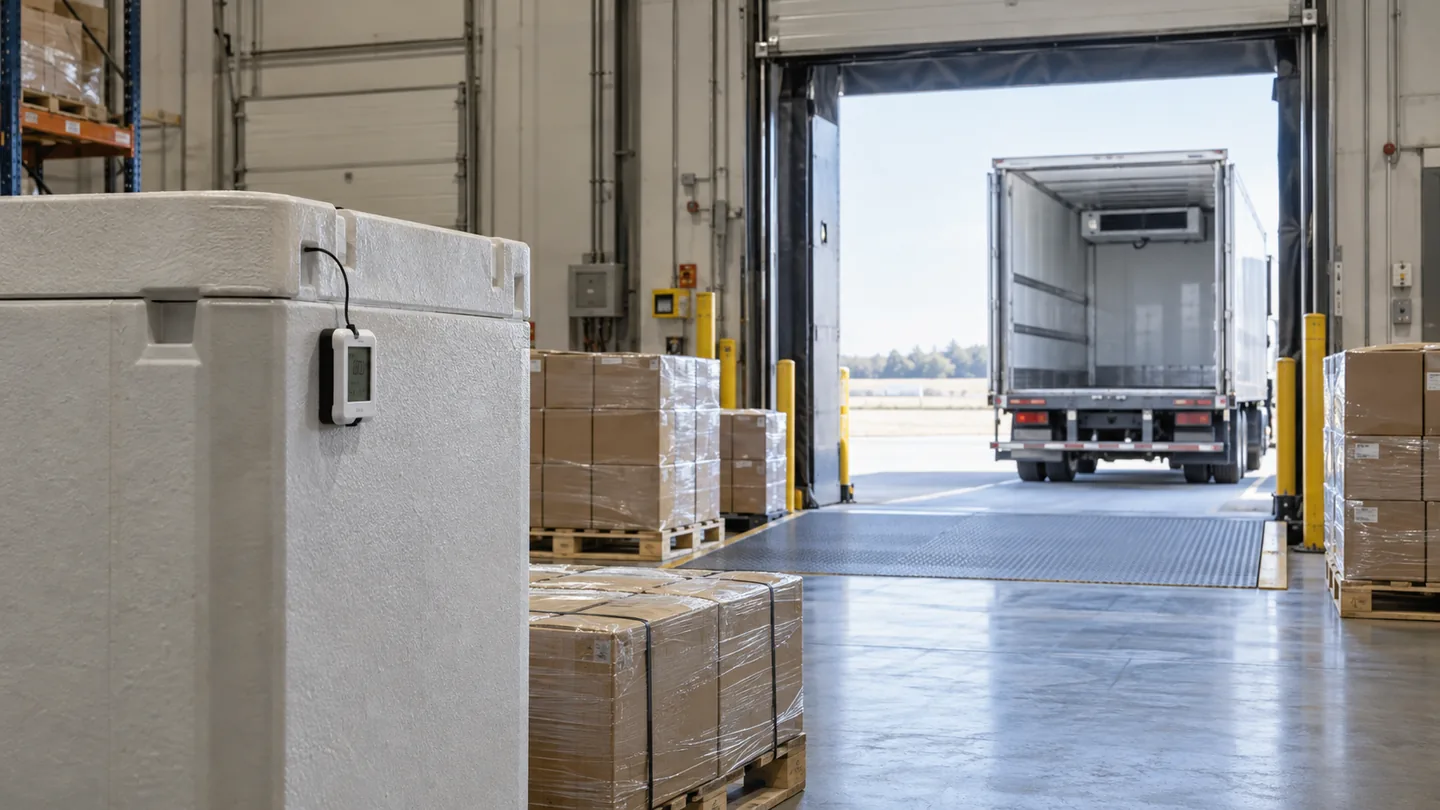
The map looks efficient: every stop follows neatly from the last. At the third customer, the driver waits forty minutes for a receiving team. The next customer closes its intake window before the vehicle arrives. The route saved kilometres on paper because the model left out the work at each stop.
What constraints should food delivery route planning include?
Food delivery route planning should find a feasible sequence under customer, vehicle and operating constraints before comparing travel efficiency. Receiving windows, service time, load capacity and approved handling conditions can matter more than distance. A route that cannot serve the accepted commitments is not a useful optimisation result.
- 01Collect stopsWindows, service time and orders
- 02Assign suitable vehiclesCapacity and handling constraints
- 03Review feasibilityTravel, loading and commitmentsCan the route meet its constraints?YesApprove the routeNoRevise the plan or obtain an explicit changed commitment.
- 04Approve the routeRetain unassigned stops and changes
Illustrative information flow. The article explains the evidence, exceptions and responsible decisions. Diagram: NextEdge Labs.
Build the stop record around the actual service
A stop needs more than an address. Record the receiving window, expected service duration, unloading arrangements, relevant access restrictions and the delivery commitment. Separate the customer's requested window from a confirmed appointment where the business uses both.
Google's OR-Tools documentation demonstrates routing with travel times and visit windows. It provides a technical foundation for modelling feasible timing, but the business still has to supply realistic constraints and service assumptions. A precise solver cannot compensate for an address with the wrong entrance or an unloading time copied from an unrelated customer.
Source: Google for Developers · Travel-time model and visit time-window constraints. Reference details
Check the load and vehicle relationship
Use the relevant capacity measures: weight, volume, pallets, crates or another operational limit. A vehicle can reach its usable space limit before its weight limit. Include the site's approved product compatibility and vehicle suitability rules rather than treating every available vehicle as interchangeable.
Loading sequence also matters. A stop can be geographically convenient but difficult to unload if its goods sit behind later deliveries. Returns and empty crates consume capacity on the return leg. The route record should reflect these movements where they affect feasibility, instead of assuming the vehicle only becomes emptier throughout the day.
Make infeasibility an explicit result
Suppose an illustrative vehicle leaves at 08:00, needs forty minutes to reach Customer A and twenty minutes to unload, then fifty minutes to Customer B. Its earliest arrival at B is 09:50 before any waiting or delay. If B's confirmed window ends at 09:30, the proposed sequence is infeasible under those assumptions.
The system should identify that conflict and show the options requiring a decision: a different sequence, vehicle, departure or agreed customer arrangement. It should not quietly extend the window or reduce service time to make the plan appear complete. Preserve the original commitment when an authorised change is made.
| Event | Time |
|---|---|
| Departure | 08:00 |
| Arrival at A | 08:40 |
| Service at A complete | 09:00 |
| Earliest arrival at B | 09:50 |
| B window closes | 09:30 — conflict requires review |
Replan with the work already done in view
After departure, some stops are completed, some goods have been unloaded and some appointments cannot move. A replanning process needs that current state. Recomputing the morning plan from scratch can propose a route that assumes the vehicle still carries stock it has already delivered.
Show the dispatcher which commitments change under a proposed revision and which customers need communication. The system can prepare the comparison, but authorised staff decide how to handle the operational and commercial consequences. Keep the accepted route version and the reason for each change.
Use actual travel and service records to improve assumptions, with care around exceptional days and incomplete timestamps. A customer delay should not be folded into driving time simply because arrival and service-start events were not recorded separately.
Compare plans on the same work
Replay a representative set of completed days using the orders and constraints known at the planning cut-off. Compare feasibility, missed windows, vehicle use, distance and planning effort. Do not give the new approach information that the original dispatcher did not have, then call the difference an optimisation gain.
Start with one depot and a manageable route family. Ask software suppliers to show unassigned stops and the reason each remains unassigned. A convincing demonstration explains the tradeoffs and exceptions, not just a map with tidy lines.
Summary
Food routing is a feasibility problem before it is a distance problem. Model the receiving work, load and vehicle constraints, expose impossible commitments and retain the current state when replanning. Evaluate the result on the same orders and information available to the dispatcher.
What to do next
- Measure actual arrival, service-start and departure times for one route family.
- List the constraints that currently live only in the dispatcher's memory.
- Replay completed days and inspect every unassigned or late stop.
Compare this workflow with your current setup
Share the step that takes the most manual work, the systems involved and the exceptions your team handles. That gives us a concrete starting point for comparing approaches.
Sources and further reading
Sources checked 15 October 2026. The worked examples and software evaluation suggestions are NextEdge Labs’ editorial analysis.
- Vehicle Routing Problem with Time WindowsGoogle for Developers · OR-Tools documentation, accessed October 2026
Technical reference for routing with travel times and visit windows. Example routes are not forecasts of savings or a substitute for product and vehicle operating constraints.
Visual credits
AI-generated illustration created for NextEdge Labs; it does not depict a client facility. Workflow diagram by NextEdge Labs. Icons from Lucide (ISC licence).