AI can label the waste image, but somebody must define the measurement
For Operations heads, sustainability leads and plant engineers · Plan implementation
TL;DR — what you’ll learn
- Define which material, locations, destinations and period the account covers.
- Keep measured weight separate from an AI-proposed food category.
- Provide an unknown or mixed category and review uncertain classifications.
- Test capture effort and data completeness before using the results to claim savings.
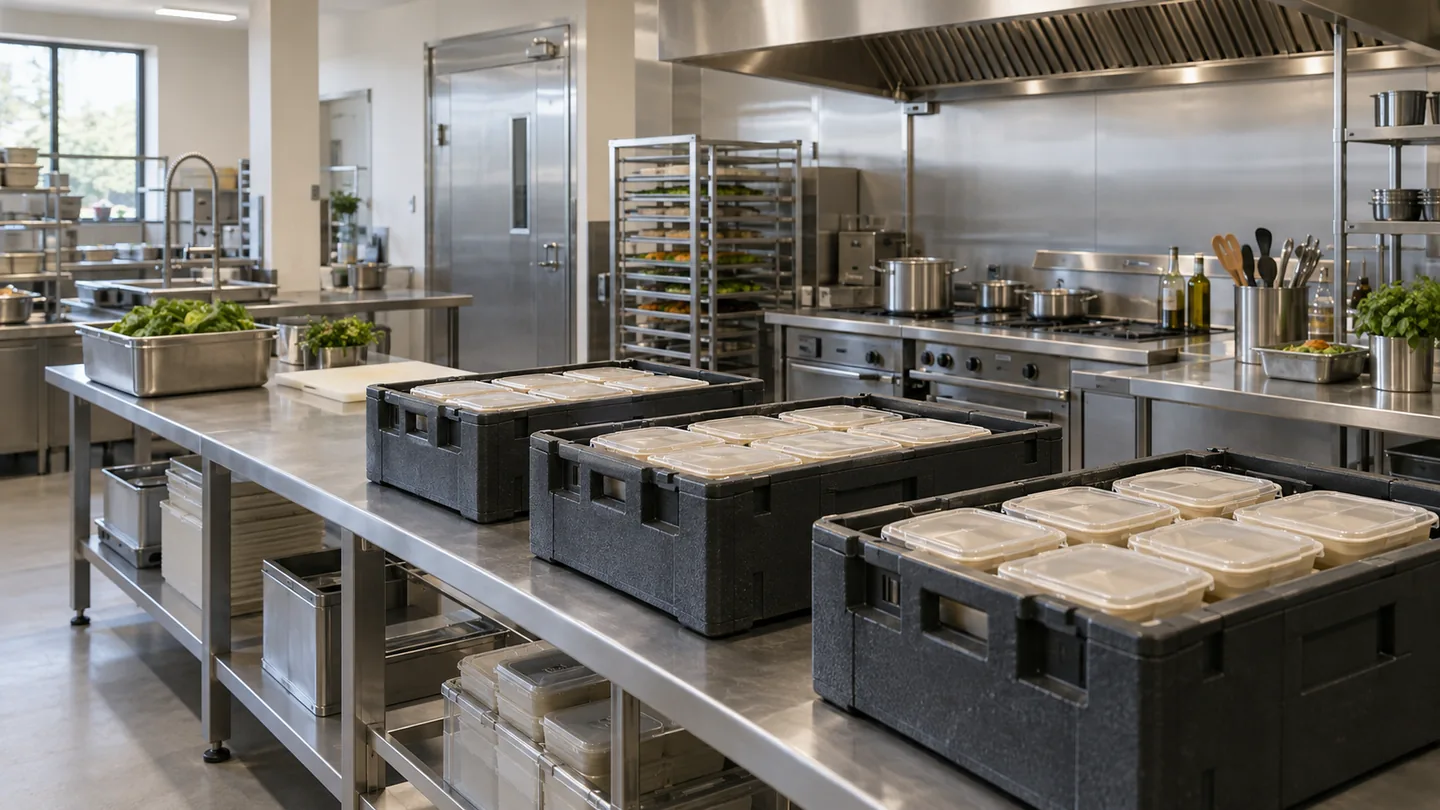
A camera identifies pasta in a bin and the dashboard draws a trend. It still cannot tell whether the weight includes the container, whether the batch was counted twice or whether the food was preparation trim, overproduction or a customer return. Those distinctions determine what the business can do with the result.
How should a food business evaluate AI-assisted waste measurement?
AI-assisted waste measurement needs a defined measurement scope, reliable quantity capture and a reviewable classification process. Image recognition can propose what was discarded; it does not establish weight, cause or avoidability on its own. The useful outcome is a consistent record that helps operators choose and evaluate a change.
- 01Define the measurementBoundary, material and period
- 02Capture quantity and imageWeight, tare and event identity
- 03Review the categoryMixed material and uncertaintyIs the quantity and classification evidence usable?YesUse the accepted recordNoKeep the event uncertain or incomplete instead of inventing a precise category.
- 04Use the accepted recordCompare a defined operating change
Illustrative information flow. The article explains the evidence, exceptions and responsible decisions. Diagram: NextEdge Labs.
Define the account before installing the equipment
State the sites or work areas, period, material types and destinations included. Decide whether the account covers food, associated inedible material or both, and keep those categories clear. A measurement boundary that changes between weeks can create an apparent improvement without any operating change.
The Food Loss and Waste Accounting and Reporting Standard provides a framework for defining scope through timeframe, material, destination and boundary. Use that reference to make the measurement understandable. The implementation still needs a practical capture process suited to the kitchen or plant.
Source: Food Loss and Waste Protocol · Chapter 6, defining the scope of an FLW inventory. Reference details
Separate weight from recognition
If a scale supplies quantity, retain gross, tare and net weight as appropriate to the measurement design, together with unit and device identity. If quantity is estimated by another method, label that method and its limitations. A photograph is not automatically a measured mass.
In an illustrative capture, a filled container weighs 8.2 kilograms and its verified tare is 1.2 kilograms. The net material is seven kilograms. The AI might suggest cooked rice as the category, but the seven-kilogram measurement and the proposed category are separate pieces of evidence that can be reviewed independently.
| Field | Value or treatment |
|---|---|
| Gross weight | 8.2 kg |
| Container tare | 1.2 kg |
| Net material | 7.0 kg |
| Proposed category | AI suggestion, reviewable |
| Reason | Recorded by the responsible process, not inferred from appearance |
Design for mixed and uncertain material
Real waste often contains several foods, packaging or residues. Provide categories that reflect what the process can reliably distinguish, including mixed or unknown where appropriate. Forcing every image into a confident food label can make the report look more precise while making it less truthful.
Review a representative sample against an agreed human-labelled set. Inspect confusion between categories that lead to different operating decisions. A model that distinguishes visually different products but confuses overproduction with plate returns has not established the cause of waste; those causes need contextual records.
Preserve corrections and the original proposal so the team can evaluate the classification process. Do not silently replace all past categories after a model update without retaining the change and its effect on comparisons.
Prevent the capture station from becoming a bottleneck
Observe the disposal task during busy periods. The operator needs a short, clear interaction that fits the physical workflow and the site's hygiene process. If capture takes too long, material may bypass the station and the dashboard will understate waste precisely when operations are busiest.
Use a stable event identity to avoid duplicate records when uploads retry. Record offline queues and missing capture periods. A lower total during a device outage should appear as incomplete measurement, not as a successful reduction.
Choose only the contextual fields that support an action: area, product family, stage, reason and relevant production or service reference. More fields are not automatically better if they make consistent capture impractical.
Evaluate one operating change
After the baseline is stable, select a specific change such as a revised preparation quantity for one service period. Compare like-for-like periods and show volume, menu or product mix alongside waste. A fall in total kilograms may simply reflect fewer meals or lower production.
For a pilot discussion, bring the current disposal process, a small capture sample and the decision the team wants to improve. Acceptance should cover quantity reliability, classification usefulness, capture completeness and operator effort. Any savings claim needs an evidenced change in actual material or cost, not just a colourful classification report.
Summary
AI waste measurement works when the basic account is sound. Define the boundary, preserve quantity evidence and treat recognition as a reviewable suggestion. Test mixed material, missing capture and operator effort, then use the record to evaluate a specific operating change.
What to do next
- Define the measurement boundary and separate food from other included material.
- Check weight, tare and event identity on a representative capture sample.
- Test one operating change against a stable, comparable baseline.
Scope this automation around your operation
Tell us your current systems, transaction volume and the exception you need to resolve. We can discuss a bounded first release, its review controls and how to measure the result.
Sources and further reading
Sources checked 15 October 2026. The worked examples and software evaluation suggestions are NextEdge Labs’ editorial analysis.
- Food Loss and Waste Accounting and Reporting StandardFood Loss and Waste Protocol · 2016 standard
Reference for defining measurement scope, including timeframe, material, destination and organisational boundary. Original worked examples are not claims of formal conformance or measured client savings.
Visual credits
AI-generated illustration created for NextEdge Labs; it does not depict a client facility. Workflow diagram by NextEdge Labs. Icons from Lucide (ISC licence).

