A mock recall should find the stock that the first report misses
For Food safety leads, compliance managers and quality heads · Compare approaches
TL;DR — what you’ll learn
- Trace a selected lot through production, transfers, rework and customer dispatches.
- Reconcile quantities and show missing evidence instead of reporting a reassuring total.
- Test people, contact records and escalation alongside the database search.
- Keep the exercise clearly separate from a real recall and its regulatory workflow.

The batch search takes two minutes. Then someone remembers the stock transferred to a contract packer, the rework added to another run and the delivery that was returned yesterday. Those exceptions are the point of the exercise. A mock recall is valuable when it reveals where the business would otherwise be guessing.
What should food recall mock drill software prove?
A mock recall should demonstrate whether the business can identify affected material, locate its destinations and explain the quantities using reliable records. Software supports that exercise by linking events and tracking unresolved gaps. A fast report alone does not prove that the scope is complete or that the response process works.
- 01Define the exerciseStarting lot and simulated scope
- 02Trace transformationsProduction, transfers and distribution
- 03Review quantity positionsLocated and unresolved stockIs every position supported?YesRecord gaps and retestNoKeep the missing destination visible and investigate the trace gap.
- 04Record gaps and retestOwner and repair evidence
Illustrative information flow. The article explains the evidence, exceptions and responsible decisions. Diagram: NextEdge Labs.
Agree what the exercise is testing
Choose the starting event and the question the team must answer. A supplier-lot scenario tests forward tracing into finished goods and distribution. A customer complaint may start with a finished pack and require backward tracing as well. Record the assumed scope, participating sites, exercise start and who is authorised to make decisions.
Use a clearly labelled exercise environment or controlled records. Test messages must not be mistaken for customer recall notices or real inventory instructions. The exercise coordinator should decide which actions are simulated and which evidence participants must actually retrieve. This distinction belongs in the briefing, not in an explanation after someone contacts a customer.
Follow transformations as well as movements
A lot can split, combine with other materials or change identity during production. Transfers preserve physical continuity but may create different document numbers. Rework and co-packing introduce further relationships. The trace needs those links, including the source event and quantity, rather than a list of documents that happen to contain the same text.
Ask the team to inspect an awkward path deliberately: a partial transfer followed by repacking, for example. If the system only traces a clean purchase-to-sale sequence, the demonstration says little about the exceptions that create uncertainty. Record every manual assumption used to bridge a missing link so it becomes a repair item after the exercise.
Reconcile a bounded quantity account
In an illustrative drill, a finished lot contains 1,000 cases. The records show 200 still on site, 650 delivered, 100 at a distribution depot and fifty with an unresolved destination. The account totals 1,000, but only 950 have an evidenced location. Arithmetic balance and traceability completeness are different tests.
Now suppose twenty of the 650 delivered cases have returned. They must move from the delivered position into the relevant returned-stock position, with the return event retained. Adding twenty to the original total would double count them. Use a defined cut-off and distinguish current location from historical movement.
| Position | Cases | Evidence status |
|---|---|---|
| On site | 200 | Located |
| Customer deliveries | 650 | Distribution records available |
| Distribution depot | 100 | Transfer receipt available |
| Unresolved destination | 50 | Investigation required |
Measure the response beyond report speed
Record time to first plausible scope, time to reviewed scope and time to resolve each material gap. Keep those measures separate. A quick incomplete report should not outperform a slower report that exposes missing evidence. Track whether current contacts, backups and escalation responsibilities were available when participants needed them.
The reviewer should challenge exclusions as well as inclusions. Why was another production run ruled out? What evidence establishes that a transferred pallet was outside the affected lot? A decision log with the reason and supporting record makes the exercise more instructive than a final green status.
Keep the regulatory route current
For Indian operations, FSSAI's food recall resource page points to FoSCoS. Its order dated 18 March 2026 describes the food recall functionality for operators and authorities. An internal tracing application does not replace that official workflow. The responsible food safety and regulatory team must maintain the applicable response and communication process.
After the drill, assign each gap an owner and evidence of correction. Repeat the failed path with a different lot to check that the repair works beyond the original example. When comparing software, ask vendors to demonstrate this full sequence using redacted records, including an unresolved destination and a return.
Source: Food Safety and Standards Authority of India (FSSAI) · Official recall resources and FoSCoS portal. Reference details
Source: FSSAI · 18 March 2026 implementation order. Reference details
Summary
A strong mock recall exposes uncertainty and makes it actionable. Trace transformations, reconcile current positions and test the response team as well as the report. Keep unresolved quantities visible until evidence closes them, and maintain the real regulatory process separately from the exercise.
What to do next
- Select one lot with a transfer, rework or return in its history.
- Reconcile its current quantity positions at a documented cut-off.
- Repeat the weakest trace path after correcting its missing records.
Compare this workflow with your current setup
Share the step that takes the most manual work, the systems involved and the exceptions your team handles. That gives us a concrete starting point for comparing approaches.
Sources and further reading
Sources checked 15 October 2026. The worked examples and software evaluation suggestions are NextEdge Labs’ editorial analysis.
- Food RecallFood Safety and Standards Authority of India (FSSAI) · Official food recall resource page, accessed October 2026
Indian recall resources and the FoSCoS portal. An internal mock-drill application is separate from required regulatory communication and submissions.
- Implementation of Food Recall functionality under FoSCoSFSSAI · Order dated 18 March 2026, with user manual
Current official reference for the FoSCoS recall workflow. This article does not reproduce the full recall procedure or determine an operator's legal obligations.
Visual credits
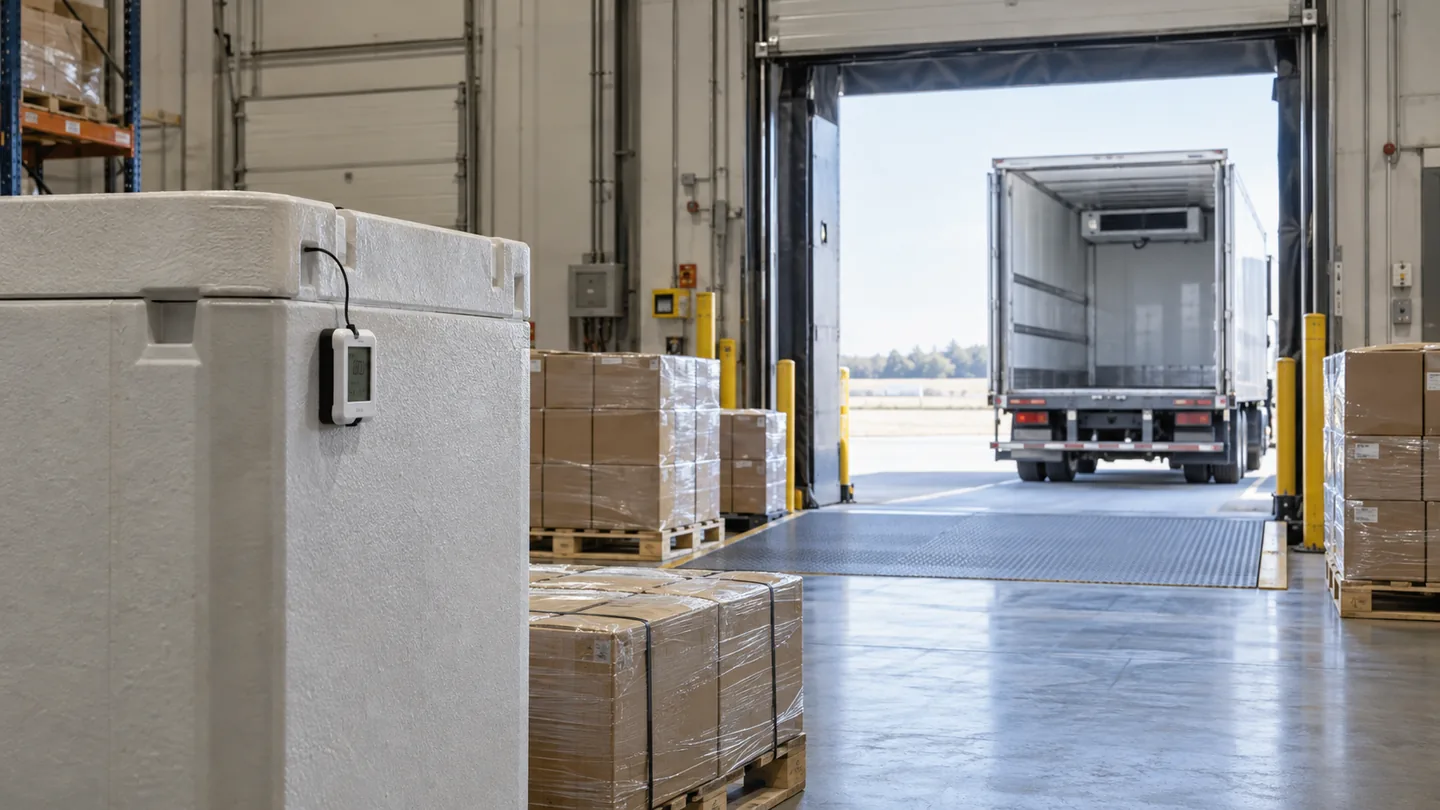
AI-generated illustration created for NextEdge Labs; it does not depict a client facility. Workflow diagram by NextEdge Labs. Icons from Lucide (ISC licence).