Can your dairy system trace a finished pack back through the tanks?

Pick a finished yoghurt pack and ask which incoming lots contributed to it. The answer may require an intake record, a tank history, a processing batch and a filling run. If any connection exists only in someone’s notebook, a batch number on the pack will not complete the trace. Dairy management software for a processor needs to make those relationships available during normal work.
The difficult part of dairy traceability is preserving relationships when material is combined, divided and carried between shifts.
- 01Record intakeSupplier lot and receipt assessment
- 02Process and fillApproved inputs linked through tanks and runs
- 03Review the batchQuality evidence and stock statusIs release authorised?YesAllow allocationNoKeep the batch restricted; the authorised quality team reviews the case.
- 04Allocate and dispatchReleased stock and customer requirements
The diagram shows record relationships. It does not prescribe processing conditions or release criteria. Diagram: NextEdge Labs.
First, separate processing from farm management
‘Dairy management software’ can mean herd records, milk collection, supplier payments or factory operations. A processor evaluating products under that label should specify the boundary early. Animal records and farm productivity are outside the scope of this guide.
Where collection centres already use a working application, agree what crosses into the processor’s system: supplier and consignment references, quantities, test records and amendments. There is no benefit in replacing the collection application solely to give the factory another screen for the same receipt.
A receipt should not silently become an approval
Receiving staff can confirm that material arrived before quality staff have finished assessing it. Represent those as separate events. A late laboratory result or corrected weighbridge reading needs to update the relevant record without erasing its earlier value.
Define what each status permits. Can the material be moved? Allocated to a run? Consumed? Who may change that status, and on what evidence? Apply the same restrictions to imports and integrations as to manual entry. Otherwise, a careful approval screen can be bypassed by an overnight job.
FSSAI’s Milk and Milk Products guide discusses lot relationships across raw materials, processing and delivery in section 7.1. It also provides a product identification and traceability form. These are useful references for the information a processor needs to retrieve; the guide’s first edition is February 2018.
Source: Food Safety and Standards Authority of India (FSSAI) · Section 7.1, printed page 29; form 2.10, printed page 81. Reference details
Keep a history of what entered and left each tank
A tank identifier describes a place or asset. It does not, by itself, identify everything that occupied it. Record the time, source lot and quantity for each input, then connect the material drawn out to its processing event. The model must also handle a partial draw and material remaining across a shift change.
For a proposed yoghurt workflow, trace intake to the processing batch, then to separate filling runs and customer shipments. Do not assume one incoming lot produces one finished lot. Use an example with combined inputs and split outputs during design, because that is where a simple movement ledger becomes inadequate.
GS1’s Global Traceability Standard covers recording input-to-output relationships at transformation events. The practical implementation still depends on how the plant identifies material and captures quantities at each step.
Source: GS1 · Section 5: data recording requirements, R24. Reference details
Release status has to reach the dispatch screen
Suppose quality restricts a batch after it has been allocated to a delivery. The warehouse needs to see the change, and the order team needs to know that the allocation requires attention. A status held only in the laboratory application leaves the shipment exposed to an outdated decision.
Customer allocation also depends on the remaining shelf life required at receipt and the expected journey. Let authorised planners see why a lot was excluded. A return should keep its original shipment and batch references, with a new assessment rather than an automatic return to saleable stock.
Run the trace in both directions
Use a finished batch to find its inputs, processing records, remaining stock and customer destinations. Then begin with one incoming lot and find every output it contributed to. Include rework where the plant’s approved process permits it, and a correction entered after the original event.
Record missing relationships and the time spent finding evidence outside the application. Ask an operator from the next shift to repeat the exercise. If it only works when the person who entered the batch is present, the information is still partly dependent on memory.
This gives an acceptance criterion a procurement team can use: the proposed software must reproduce the agreed product history from its records, with quantities and unresolved gaps visible. A fast search result is useful only if the underlying history is complete.
Sources and further reading
Sources checked 15 October 2026. The worked examples and software evaluation suggestions are NextEdge Labs’ editorial analysis.
- Food Industry Guide: Milk and Milk ProductsFood Safety and Standards Authority of India (FSSAI) · First edition, February 2018
The edition date comes from the document, not its upload filename. Used for dairy traceability context, not current legal advice.
- GS1 Global Traceability StandardGS1 · Release 2.0, August 2017
Reference framework for identification and traceability data. Citing it does not imply that a proposed system is GS1 certified.
Visual credits
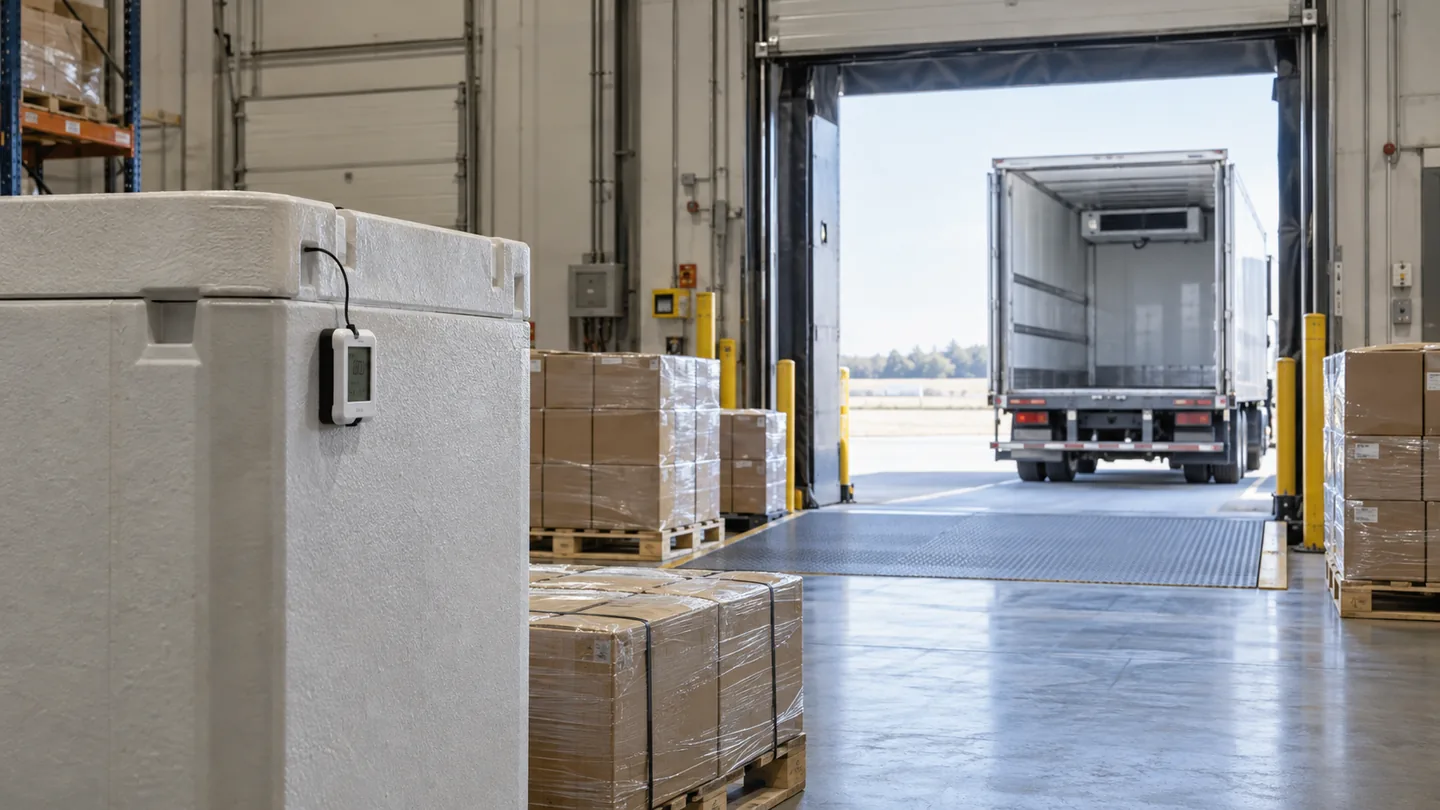
AI-generated illustration created for NextEdge Labs; it does not depict a client facility. Workflow diagram by NextEdge Labs. Icons from Lucide (ISC licence).